




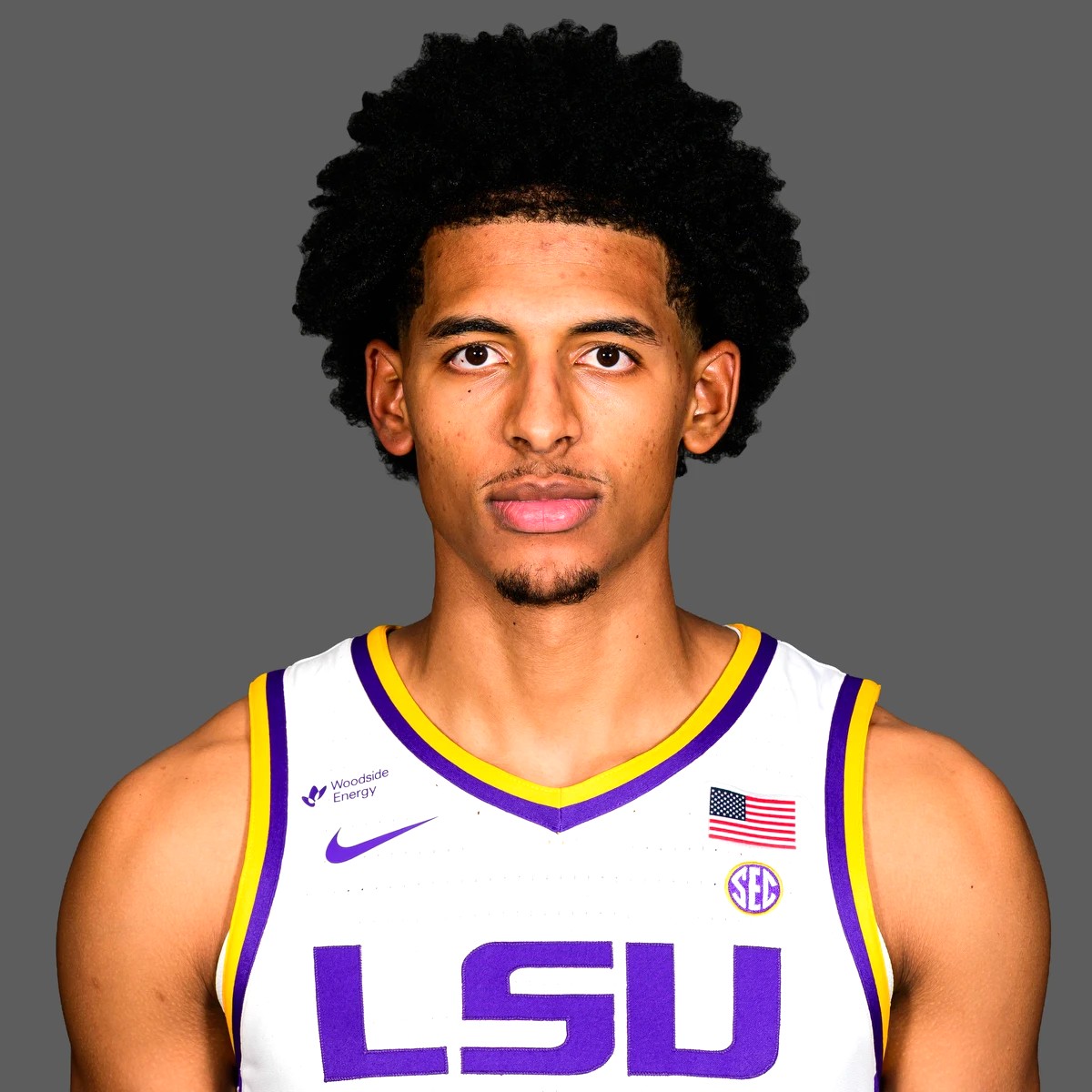
It’s over. And all it took was a one-sentence statement from LSU System President Wade Rousse to finally put an end to the legal filings and courtroom drama involving LSU, the state of Louisiana and the SEC.
Rousse’s statement was simple:
“In my role as President of the LSU System, after further review, I have instructed LSU Men’s Basketball Coach Will Wade not to play RJ Luis.”
This major development comes just one day after Luis made his season debut for the Tigers, scoring 11 points in a victory over ULM.
A Baton Rouge judge had ruled that Luis could play college basketball this season, but SEC Commissioner Greg Sankey and several university presidents in the league were adamantly opposed to it.
Their objection centered on the fact that Luis had signed professional contracts with two NBA teams after being named Big East Player of the Year during his sensational 2024-25 season at St. John’s.
Luis suffered an injury, putting his NBA aspirations on hold. With athletes successfully challenging NCAA eligibility rules in court, he attempted to return to college basketball.
He was successful for exactly one game.
The SEC had a regularly scheduled meeting with its university presidents Thursday. They were expected to discuss a potential salary cap on player earnings, but Luis’ appearance against ULM reportedly infuriated several league members, who were prepared to take a stand against LSU.
Even though Judge William Jorden ruled the SEC could not punish LSU for playing Luis, conference presidents were reportedly considering drastic measures, including boycotting games against LSU if Luis continued to play or potentially expelling the university from the league.
That’s according to a report from Yahoo Sports.
The eligibility battle involving athletes who previously signed professional contracts has been playing out in courtrooms for months. Now, LSU has backed down.
And according to Luis’ attorney, Tony Clayton, his client has also decided to give up the fight to play for LSU this season.
Sankey said during SEC Media Days in July that since the NCAA can no longer effectively enforce its eligibility rules, perhaps the conferences should take matters into their own hands.
The SEC followed through by adopting its own eligibility rules, including a provision that makes athletes ineligible if they have signed a professional sports contract.
Clayton, Louisiana Attorney General Liz Murrill and LSU were willing to challenge that policy in court. But for now, the SEC has prevailed.
That doesn’t necessarily mean the legal battles are over.
Civil lawsuits against the SEC remain a possibility for Luis. Meanwhile, LSU football players Dae’Quan Wright and Zxavian Harris have court orders stating they should be allowed to play and could file civil suits against the SEC too.
There is a distinction in those cases. Wright and Harris were never added to LSU’s roster, while Luis actually played in a game before the university reversed course.
The eligibility fight has become an emotional issue, and with the football regular season nearing its conclusion and an exciting basketball season on the horizon, the controversy has been exhausting for everyone involved.
It needed to end one way or another.
Unfortunately for the players, it didn’t work out in their favor. But many LSU fans are probably relieved that the legal drama is over and the focus can finally return to what matters most: the games.