




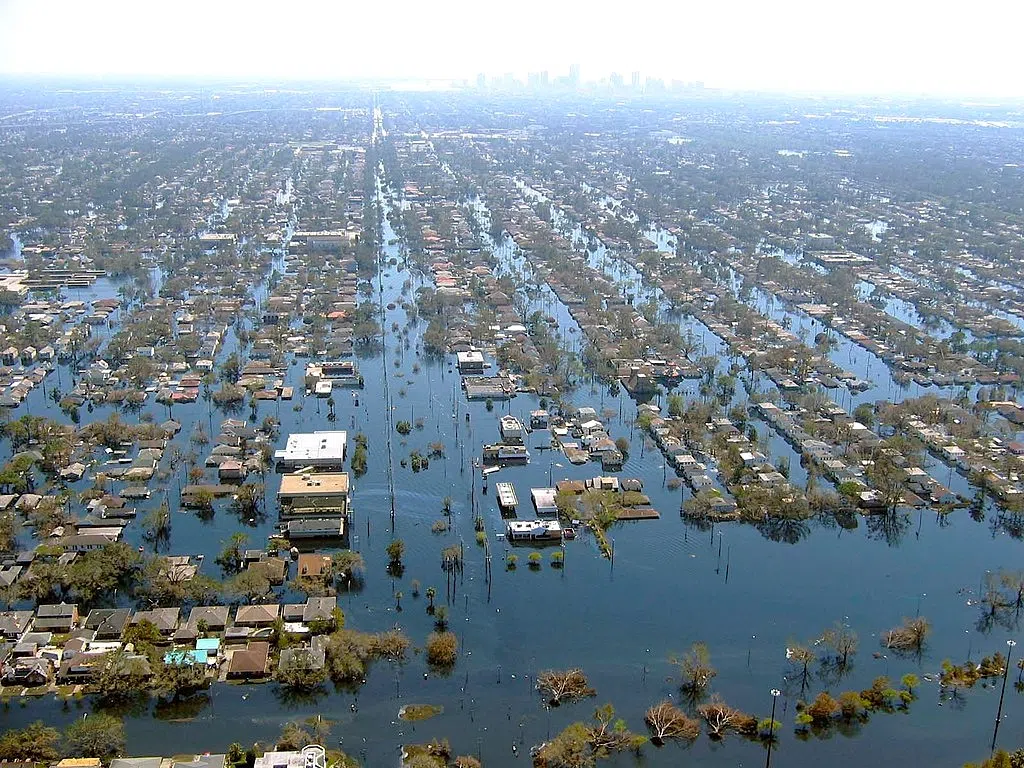
We continue to look back 20 years ago this week when Hurricane Katrina ravaged southeast Louisiana. Katrina’s fierce winds caused extensive damage, but the storm surge that led to breaks in the levee system produced catastrophic flooding. U.S. Army Corps of Engineers spokesperson Renee Poche says a much better flood protection system in place now.
“So, rather than letting the water come into the city, we block it off further out from the city via the surge barrier or the west closure complex or the pump stations at the outfall canals on Lake Pontchartrain,” Poche explained.
Two different administrations from two different parties directed Congress to appropriate $14.5 billion to rebuild the levees in metro New Orleans. Poche says the design started in 2007 and construction was finally completed in 2018 on all of the storm barriers, flood walls, levees and pumps.
“The city can pump the water out. If needed, we can pump it into the lake, or the locals can pump it into the lake with the permanent canal closures and pump stations at Lake Pontchartrain,” Poche said.
Poche says it’s still possible for a strong hurricane to overtop the system, but flooding can still be minimized.
“There is a storm out there. Don’t know when it will happen, that can overtop the system. But overtopping the system is not a bad thing. The city can pump the water out,” Poche said.
Poche says work continues on providing even more flood protection as construction is ongoing on a $1 billion project to protect the River Parishes.