




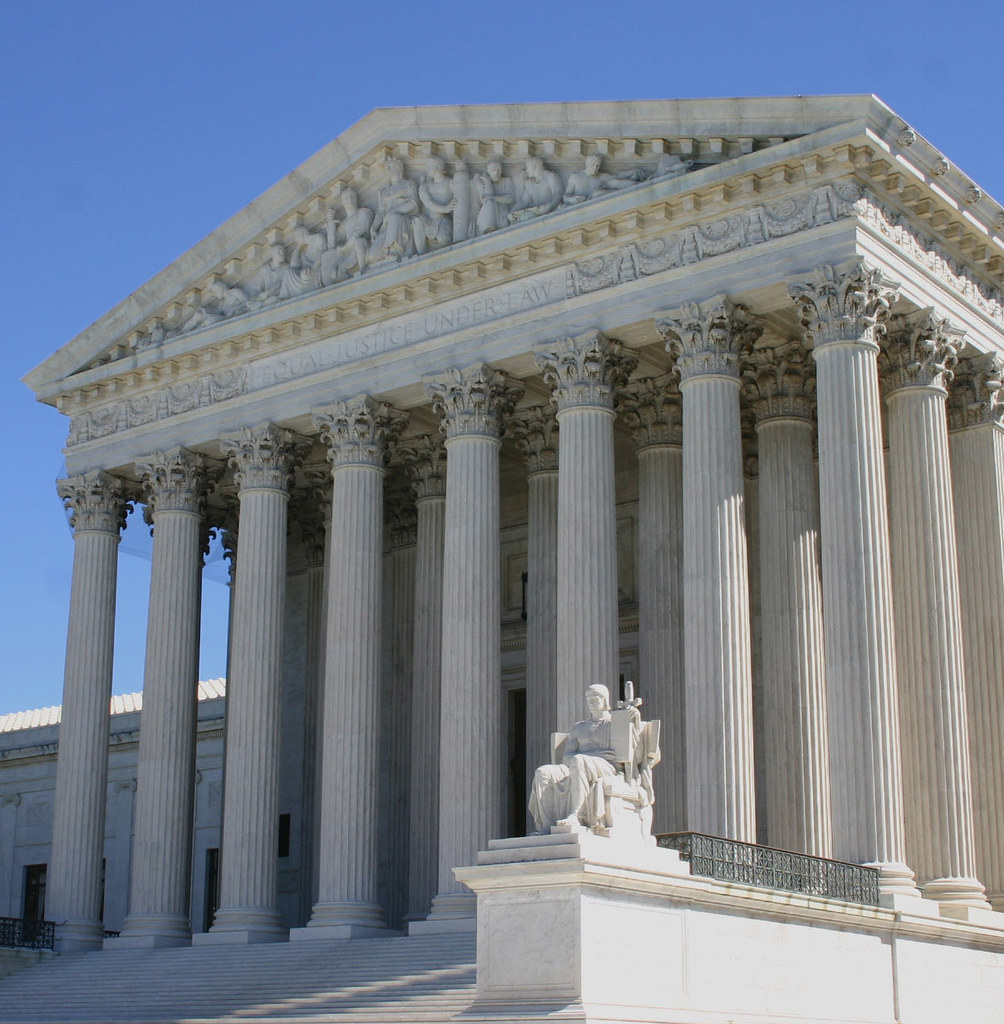
The Supreme Court has thrown out Louisiana’s congressional map. In a 6-3 ruling that fell right along ideological lines, the court ruled that by creating a second majority-Black district, one that stretches diagonally from Shreveport to Baton Rouge, relied too much on race. ULM political science professor Joshua Stockley says what’s important to note is that this ruling does not strike down the 1965 Voting Rights Act – states can still keep certain groups in mind when drawing their congressional maps.
“The court is telling us that in this singular case of Louisiana, too much group representation was present in the form of racial gerrymandering,” Stockley said.
Stockley says in issuing its ruling, the Supreme Court left a key question unanswered – how much is too much?
“What is the exact parameter by which a factor, whether it is race, ethnicity, partisanship; at what point does a factor become too much, and is enough?” Stockley asked.
Stockley says this ruling could have a profound effect on the congressional maps in other states, particularly those which were redrawn within the last year.
“While steps can be taken to create districts to favor particular groups, the Supreme Court has signaled that there is a limit. Not just potentially a racial limit, but there could be a partisan limit,” Stockley said.
In a statement, Louisiana Secretary of State Nancy Landry said her office is currently analyzing the opinion; and since it’s been remanded back to the Western District, she’s limited as to what she can say at this time.