




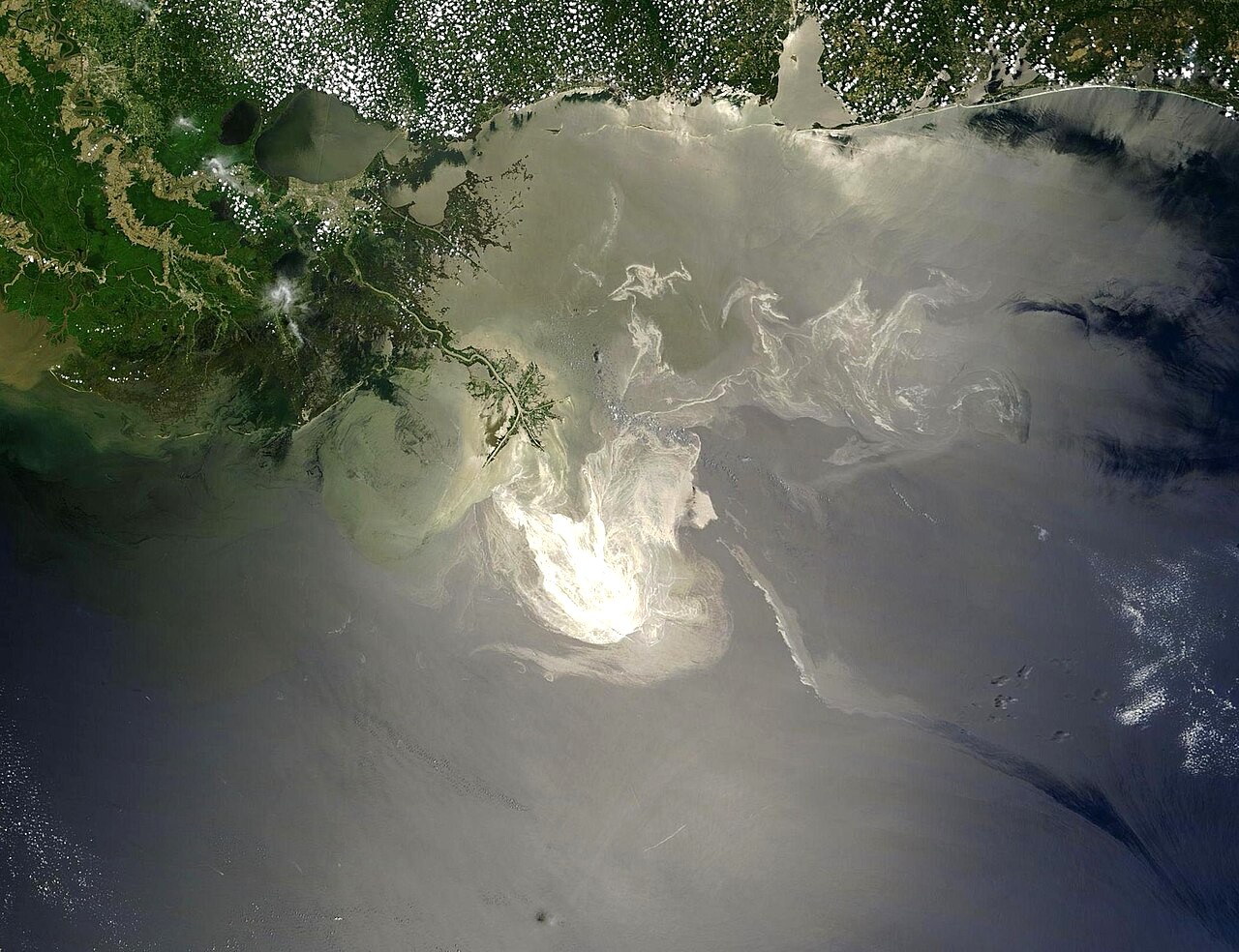
A new study has found that the number of deep-water creatures in the Gulf dropped about 60% in the years following the 2010 BP Deepwater Horizon Oil Spill, and populations have still not recovered. Nova Southeastern University biological oceanographer Tracey Sutton was the lead author of the study and says these animals in the “twilight zone” above the seafloor are a critical food source in the ocean ecosystem.
“Most whales and mammals in the Gulf are oceanic and they feed deep; and things like tuna and swordfish, they also eat this kind of buffet that lives down deep and comes up at night,” Sutton explained.
Researchers saw a massive decline in marine life in the years following the oil spill. Sutton says coastal fishes have rebounded much better than the open ocean.
“The coastal system, with redfish and shrimp and sportfish, seems to be more resilient because they have more dock, I guess; whereas the offshore system seems to be more like a finely tuned sportscar; and when it goes a little wrong, it seems to go a lot wrong,” Sutton noted.
Researchers found that the dispersants used to clean up the spill actually worsened the biological impacts. It broke down the oil into smaller droplets, increasing exposure to deep water animals. Sutton says the thought was that there would be less life found in deep water to affect.
“But now we know that there are a lot of things down there that do have services for everybody, and we might reconsider that that’s how we would react to a deepwater oil spill in the future,” Sutton said.